The History of Tattooing: From Ancient Traditions to Modern Culture
- xxdoomxx
- Jan 4
- 1 min read

For thousands of years, tattoos have been a powerful form of human expression. Long before they became part of modern fashion and identity, tattoos were used in rituals, social ranking, protection, spirituality, and storytelling across cultures around the world.
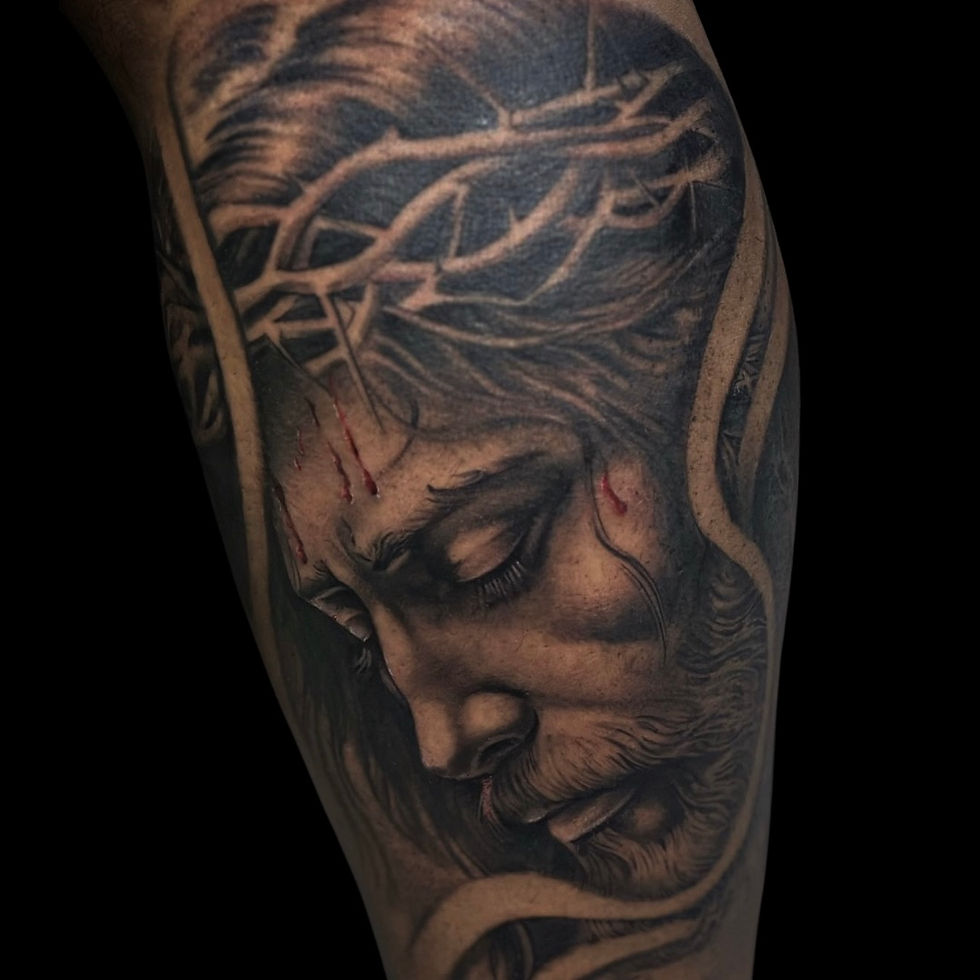
Archaeological discoveries show that tattooing dates back more than 5,000
years. One of the earliest known examples is Ötzi the Iceman, whose preserved body revealed small tattoo markings believed to be connected to healing practices. Ancient civilizations such as Egypt, Polynesia, Greece, Japan, and Indigenous cultures in the Americas also developed rich tattoo traditions, each with symbolic meanings tied to identity and community.
In Polynesian culture, tattoos represented lineage, bravery, and social status — the word “tattoo” itself comes from the Polynesian word tatau. In Japan, tattoo art evolved into irezumi, a detailed and highly symbolic style that became deeply connected to folklore and mythology. In many societies, tattoos served as rites of passage, marking milestones such as adulthood, marriage, or leadership.
During the 19th and early 20th centuries, tattooing traveled to the Western world through sailors and explorers. Over time, tattoos shifted from being seen as rebellious to becoming a recognized art form. Today, tattoo culture is global — blending tradition, creativity, and personal meaning. What began as an ancient ritual has transformed into a modern form of artistic identity and self-expression, continuing to evolve with every generation.


Comments