Understanding Tattoo Concepts: Meaning, Symbolism, and Design Philosophy
- xxdoomxx
- Jan 4
- 1 min read

Before a tattoo becomes a finished piece of art, it begins with a concept — the idea, meaning, or theme that gives the design its purpose. Tattoo concepts help shape everything from the symbolism and style to placement and composition, ensuring each tattoo reflects the wearer’s identity and intention.
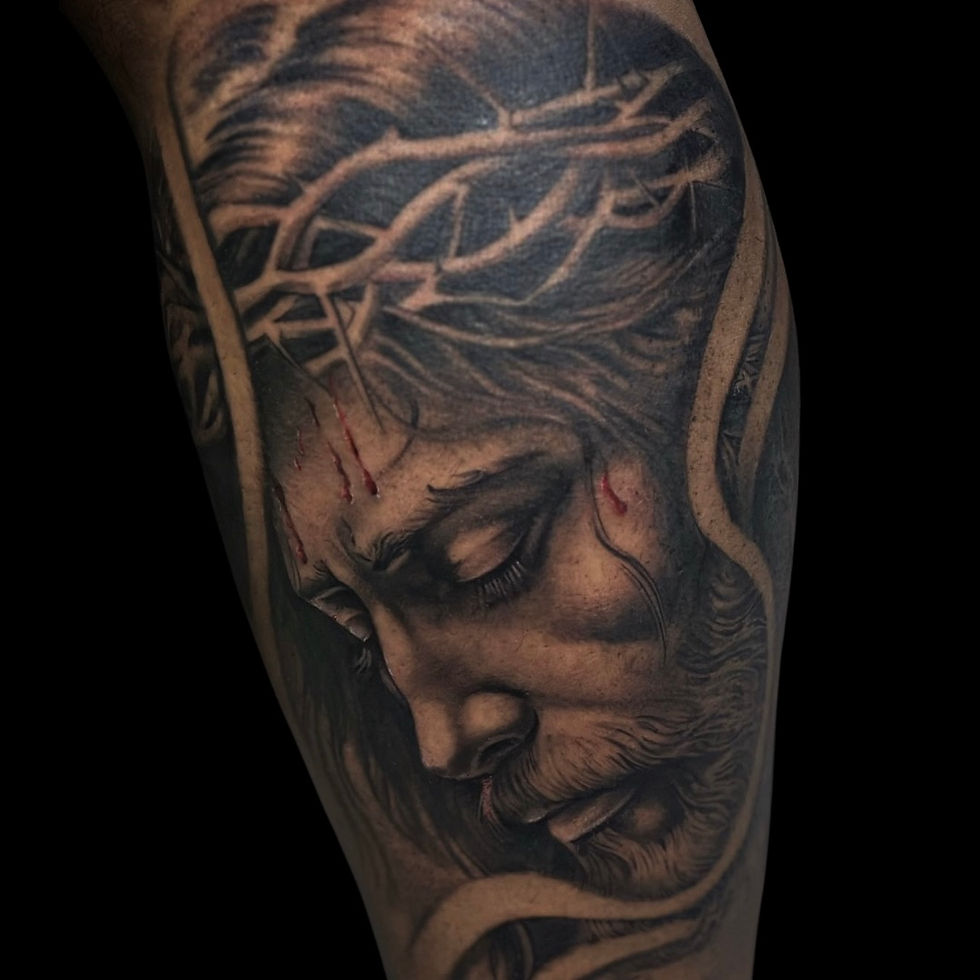
Many tattoo concepts are inspired by universal themes such as strength, transformation, love, spirituality, freedom, or remembrance. Symbols like lions, roses, skulls, clocks, feathers, mandalas, and anchors all carry deeper meanings that resonate differently with each person. Cultural symbolism also plays an important role, with designs rooted in mythology, heritage, or personal belief systems.

Concept development also considers artistic elements such as style, flow, and placement. A design created for the forearm will differ from one made for the chest, back, or leg, because tattoos must complement natural body lines and movement. Good tattoo concepts balance aesthetic design with emotional or symbolic value.
Another important aspect of concept design is collaboration between the client and the artist. Through conversation and creative input, the artist transforms ideas into a visual composition that is both meaningful and technically sound. This process ensures the final tattoo is not only beautiful, but also personal, intentional, and unique.
Understanding tattoo concepts helps clients make thoughtful decisions about their designs — turning inspiration and symbolism into a meaningful piece of art that lasts a lifetime.


Comments